Meeting details
Topic: Fall protection after railings removal
Goal: This toolbox talk on fall protection after railings removal will review the July 2024 Leamington Spa incident and prevent similar accidents in 2026.
The incident: what happened?
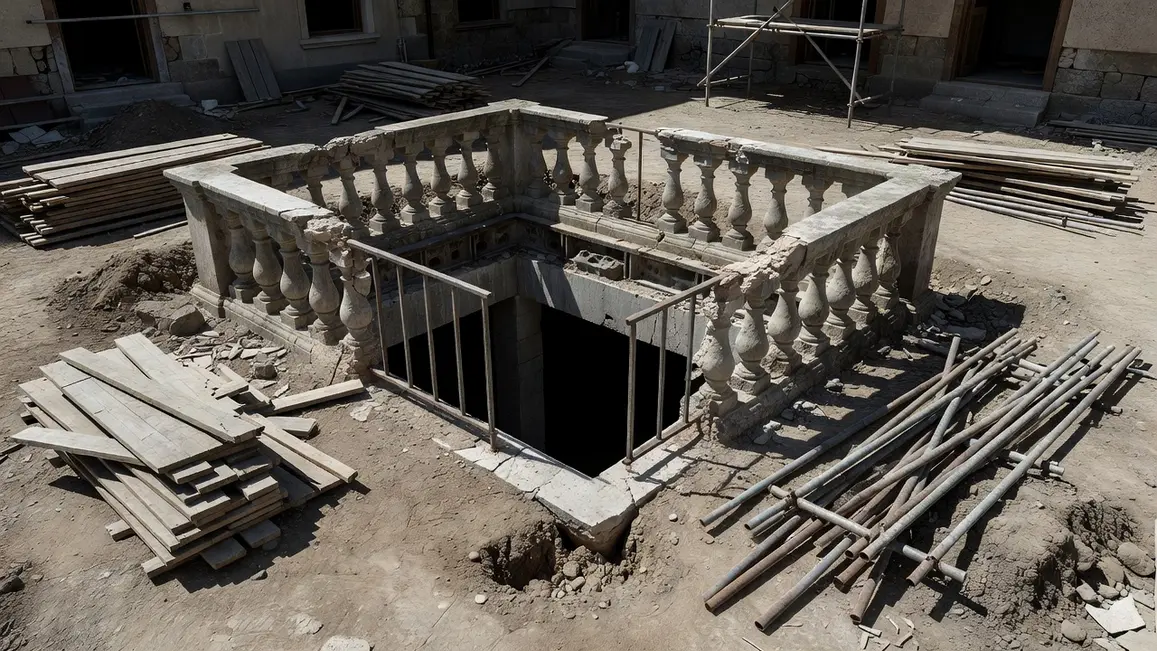
On 16 July 2024 at a domestic property on Binswood Avenue in Leamington Spa, 65-year-old bricklayer Nicholas Crow, employed by Sibbasbridge Limited, fell 2.6 metres through an unguarded gap in a balustrade into a basement lightwell. The gap had been created the previous day when railings were removed, and no fall protection after railings removal was installed. Work continued without scaffolding, guardrails, or any other physical safeguards, and the company had not produced a task-specific risk assessment or method statement.
Mr Crow sustained life-changing injuries including head trauma, stroke, mobility impairment requiring occasional wheelchair use, and ongoing difficulties with speech, memory, writing, and grasping objects. The company pleaded guilty to breaching Regulation 6(3) of the Work at Height Regulations 2005 and was fined £16,000 plus £7,638 in costs.
Core safety lesson
The Hazard: Unguarded opening created by railings removal.
The Control: Immediate installation of temporary guardrails, barriers, or secure covers, supported by a task-specific risk assessment and method statement plus collective fall-prevention measures such as scaffolding.
Fall protection after railings removal must be treated as a non-negotiable first step because an opening greater than 2 metres in height instantly creates a foreseeable risk of fatal or life-changing injury. The absence of any written plan meant the workforce had no documented reminder that the gap existed or that collective protection was required before work resumed.
Reliance on individual awareness alone proved insufficient. Once railings are removed, the hierarchy of controls demands that physical barriers be reinstated immediately; waiting until later in the job or depending solely on personal fall-arrest equipment leaves an unacceptable gap in protection that regulations explicitly prohibit.
Supervisor’s discussion guide
Q1: “Looking at our own equipment today, where is the biggest risk of an unguarded opening?”
Q2: “What temporary barriers or covers do we have available to install the moment any railings are taken down?”
Q3: “How will we ensure a task-specific risk assessment and method statement are completed and briefed before any fall protection after railings removal work begins?”
Q4: “If we discover an existing gap on site, what is our immediate stop-work procedure?”
Action plan & inspection
- Confirm all railings scheduled for removal have temporary guardrails or secure covers staged and ready for instant installation.
- Verify a written, task-specific risk assessment and method statement is on site and has been briefed to the crew.
- Inspect the work area for any existing unguarded openings greater than 500 mm and close them before work starts.
- Ensure suitable collective protection (scaffolding, mobile towers with guardrails, or proprietary edge-protection systems) is erected prior to any work at height.
- Record the pre-task briefing and obtain signed confirmation from all operatives that fall protection after railings removal controls are understood.
Key takeaways
Removing railings instantly creates a fall hazard that must be controlled before any further work occurs. The Leamington Spa case demonstrates that the lack of a documented plan and physical barriers turns a routine step-replacement task into a life-altering event.
Every supervisor must treat fall protection after railings removal as the first action on site, not an afterthought. Consistent application of collective protection, written assessments, and immediate barrier reinstatement will prevent recurrence of this entirely avoidable incident.
Source & Disclaimer: This toolbox talk is for educational purposes based on public report. Read Original Report