Meeting details
- Topic: Preventing Accidents from Extreme Cold Exposure
- Goal: This toolbox talk on extreme cold exposure will review the tragic incident involving Pietro Zantonini and help us prevent similar accidents in 2026.
The incident: what happened?
On January 12, 2026, a devastating incident occurred at an Olympic construction site in Milan, Italy. Pietro Zantonini, a 55-year-old security guard, passed away during an overnight shift. The conditions were extremely harsh, with temperatures plummeting to -12ºC. Mr. Zantonini reportedly began to feel unwell and alerted colleagues before emergency services were dispatched. Despite these efforts, he was pronounced dead at the scene. An investigation into the circumstances surrounding his death is underway, and an autopsy has been ordered.
The family of Mr. Zantonini has raised serious concerns regarding the working conditions, specifically highlighting the demanding nature of long night shifts and what they perceive as inadequate protection against the severe weather. This incident serves as a stark reminder of the dangers associated with working in extreme cold exposure and the critical importance of robust safety protocols.
Core safety lesson
- The Hazard: Extreme Cold Exposure
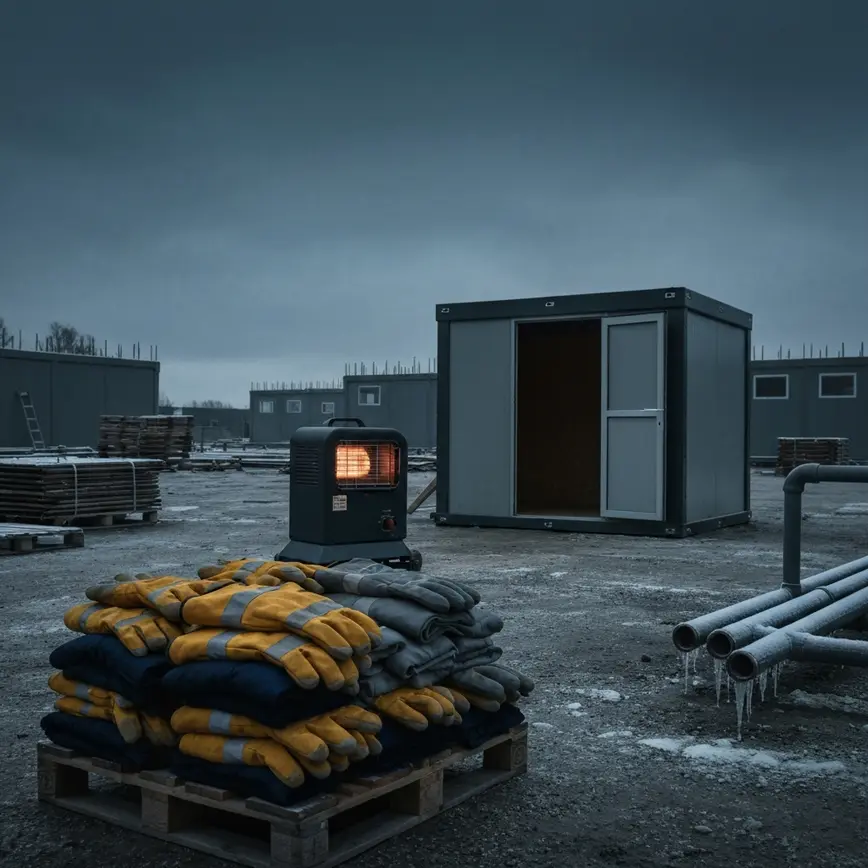
- The Control: Implement mandatory breaks in heated shelters, provide appropriate thermal protective clothing, and establish clear protocols for suspending work during extreme cold.
The primary hazard in this tragic event was undoubtedly extreme cold exposure. When temperatures drop significantly below freezing, the human body can suffer severe consequences, including hypothermia and frostbite. These conditions can impair judgment, reduce physical capabilities, and, as tragically demonstrated, can be fatal. Our responsibility as supervisors is to ensure that our teams are never put in a position where they are subjected to such life-threatening conditions without adequate protection and respite.
The control measures outlined are non-negotiable. Mandatory breaks in heated shelters are essential to allow the body to rewarm and recover. Providing appropriate thermal protective clothing is not a suggestion; it is a requirement for anyone working in sub-zero temperatures. Furthermore, establishing clear protocols for suspending work during periods of extreme cold is paramount. This means having pre-defined temperature thresholds and wind chill factors that trigger a halt to outdoor activities, regardless of project deadlines. We must prioritize the health and safety of our personnel above all else.
Supervisor’s discussion guide
Let’s take a moment to discuss how we can apply these lessons to our own operations. Please consider the following questions:
- Q1: “Looking at our own equipment today, where is the biggest risk of extreme cold exposure for our crew?”
- Q2: “What are our current protocols for identifying and responding to a worker who is showing signs of distress due to cold weather?”
- Q3: “Are our designated heated shelters easily accessible and adequately maintained for all shifts?”
- Q4: “How can we ensure that all team members understand the importance of reporting any discomfort or illness immediately, especially during cold weather operations?”
Action plan & inspection
Immediately following this toolbox talk, supervisors must ensure the following checks are completed:
- Verify the operational status and accessibility of all designated heated shelters.
- Confirm that all personnel scheduled for outdoor work in cold conditions have been issued and are wearing appropriate thermal protective clothing.
- Review and re-communicate the emergency contact procedures and the location of first-aid facilities.
- Assess current weather forecasts and confirm if any work needs to be suspended or modified due to predicted extreme cold.
- Briefly check in with each crew member working outdoors to assess their immediate comfort and well-being.
Key takeaways
The death of Pietro Zantonini is a tragic reminder of the severe risks associated with working in extreme cold. It underscores the absolute necessity of adhering to and enforcing robust safety protocols designed to mitigate the dangers of extreme cold exposure. We must never become complacent, especially when dealing with adverse weather conditions.
Our commitment must be to proactively identify hazards, implement effective controls, and foster a culture where safety is the primary consideration. This includes ensuring our teams have access to adequate shelter, proper protective gear, and clear procedures for suspending work when conditions become too dangerous. Let us all commit to looking out for ourselves and each other, and to speaking up if we see any unsafe practices.
Source & Disclaimer: This toolbox talk is for educational purposes based on public report. Read Original Report