Meeting details
- Topic: Recognizing and Mitigating Aging Infrastructure Hazards
- Goal: This toolbox talk on aging infrastructure hazards will review the recent Glasgow City Council incident and prevent similar accidents in 2026.
The incident: what happened?
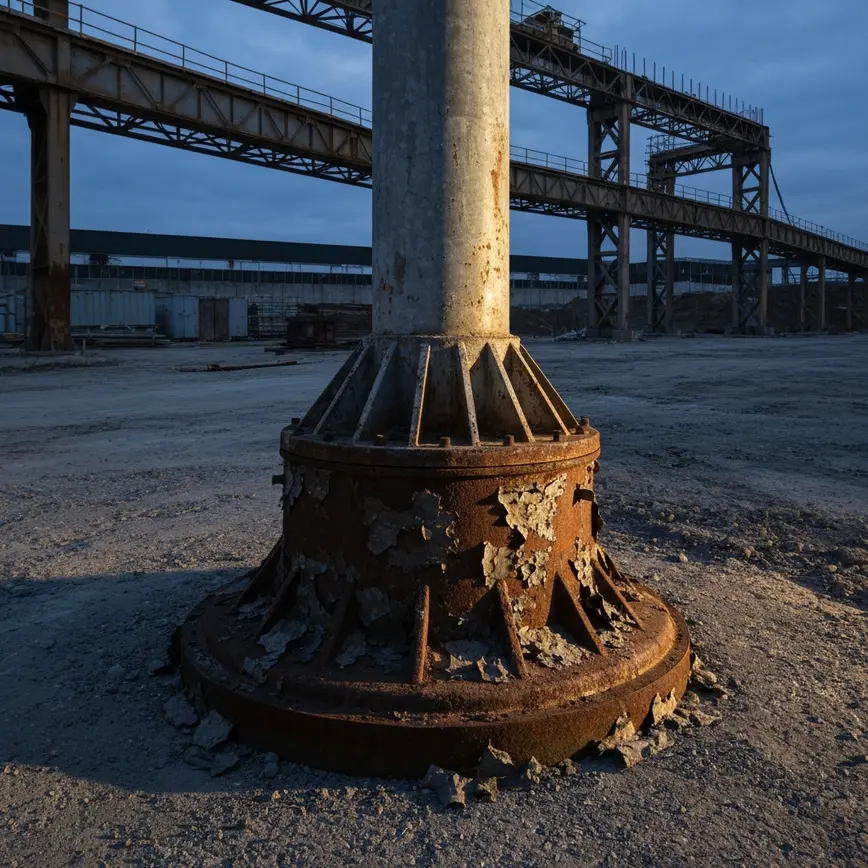
On June 2023, a military veteran sustained life-changing injuries when a lamppost collapsed on him on Bellshaugh Road in Glasgow. The lamppost, dating back to the 1950s or 1960s, had corroded severely at its base, significantly exceeding its expected service life. This incident highlights critical failures in managing aging infrastructure hazards.
Despite being identified as being in poor condition during a March 2022 inspection, and scheduled for replacement in April 2024, the Glasgow City Council’s inspection regime failed to adequately assess the extent of corrosion and the immediate risk of collapse. The injured man suffered multiple fractures and continues to experience reduced mobility and pain, a direct consequence of these systemic failures.
Core safety lesson
The primary lesson from this incident is the critical importance of a robust asset management program for aging infrastructure. The lamppost’s failure was a direct result of structural integrity loss due to severe corrosion and exceeding its service life.
The Hazard: Structural Integrity Failure of Aging Infrastructure
The Control: Implement a robust asset management program for aging infrastructure, including regular, thorough inspections using appropriate techniques (e.g., non-destructive testing) and a proactive replacement schedule based on risk assessment and industry guidance. This control is non-negotiable because aging assets, if not properly maintained and monitored, can fail without warning, leading to severe injuries or fatalities. Visual inspections alone are often insufficient to detect deep-seated corrosion or structural weaknesses in older materials. A proactive approach, guided by industry best practices and data-driven risk assessments, is essential to identify and address potential failures before they occur.
Furthermore, the incident revealed an inadequate inspection and risk assessment process. The council’s visual inspections were not comprehensive enough to identify the critical level of corrosion and the imminent risk of collapse. It is imperative that our inspection protocols are thorough, adhere to industry best practices, and are conducted by competent personnel. Risk assessments must prioritize the replacement of assets in poor condition, considering the potential consequences of failure. We must also ensure we are not failing to follow industry guidance, particularly regarding the prioritization of removing or replacing critical infrastructure assessed as being in poor condition.
Supervisor’s discussion guide
Let’s discuss how we can apply these lessons to our own operations:
- Q1: “Looking at our own equipment and structures today, where do you see the biggest risk of aging infrastructure hazards?”
- Q2: “What specific signs of wear or potential failure should we be looking for during our daily checks on older equipment?”
- Q3: “How confident are we that our current inspection procedures are detailed enough to catch critical issues before they become immediate risks?”
- Q4: “If we identify an asset that is showing signs of significant wear or is nearing the end of its expected service life, what is the immediate next step according to our procedures?”
Action plan & inspection
Immediately following this toolbox talk, supervisors must ensure the following checks are completed:
- Review the inspection logs for all critical equipment and structures older than 15 years.
- Visually inspect all accessible older infrastructure (e.g., scaffolding, temporary structures, older plant machinery) for signs of corrosion, wear, or damage.
- Confirm that all scheduled maintenance and replacement plans for aging assets are up-to-date and being adhered to.
- Verify that personnel conducting inspections are adequately trained and equipped to identify potential structural integrity issues.
- Report any identified concerns regarding aging infrastructure to management immediately, with a clear indication of the potential risk.
Key takeaways
The Glasgow City Council incident serves as a stark reminder of the severe consequences that can arise from neglecting aging infrastructure hazards. Overlooking the condition of older assets, even those scheduled for replacement, can lead to catastrophic failures and devastating injuries. Our commitment must be to a proactive and thorough approach to asset management.
This means not only adhering to but exceeding industry standards for inspections and maintenance. We must empower our teams to identify and report potential issues, and ensure that risk assessments are dynamic and responsive to the actual condition of our infrastructure. By prioritizing the safety of our aging assets, we protect our workforce and the public.
Source & Disclaimer: This toolbox talk is for educational purposes based on public report. Read Original Report