Meeting details
Topic: Cattle Trampling Safety Briefing for Site Supervisors
Goal: This toolbox talk on cattle trampling safety will review the fatality at Felbrigg Hall National Trust estate and prevent similar accidents in 2026.
The incident: what happened?
A 78-year-old man died after being trampled by cattle while on the Felbrigg Hall National Trust estate in Norfolk, UK. The incident occurred on a public-access estate managed by the National Trust, where livestock are present alongside visitor footpaths. This event underscores the urgent need for cattle trampling safety measures in any location where animals graze near accessible routes, as the combination of open public access and livestock created a lethal hazard that resulted in a confirmed fatality.
The mechanism of injury was trampling by cattle on the estate grounds. Media coverage and public discussion followed the event, highlighting the specific location and confirming the real safety incident involving inadequate controls around livestock in visitor areas. No other details on weather or time of day were reported, but the core failure involved the presence of cattle without sufficient separation or awareness protocols.
Core safety lesson
The Hazard: Presence of cattle in areas accessible to the public, increasing risk of trampling incidents, combined with inadequate separation between livestock grazing areas and public footpaths or trails, and lack of visitor awareness regarding cattle behavior.
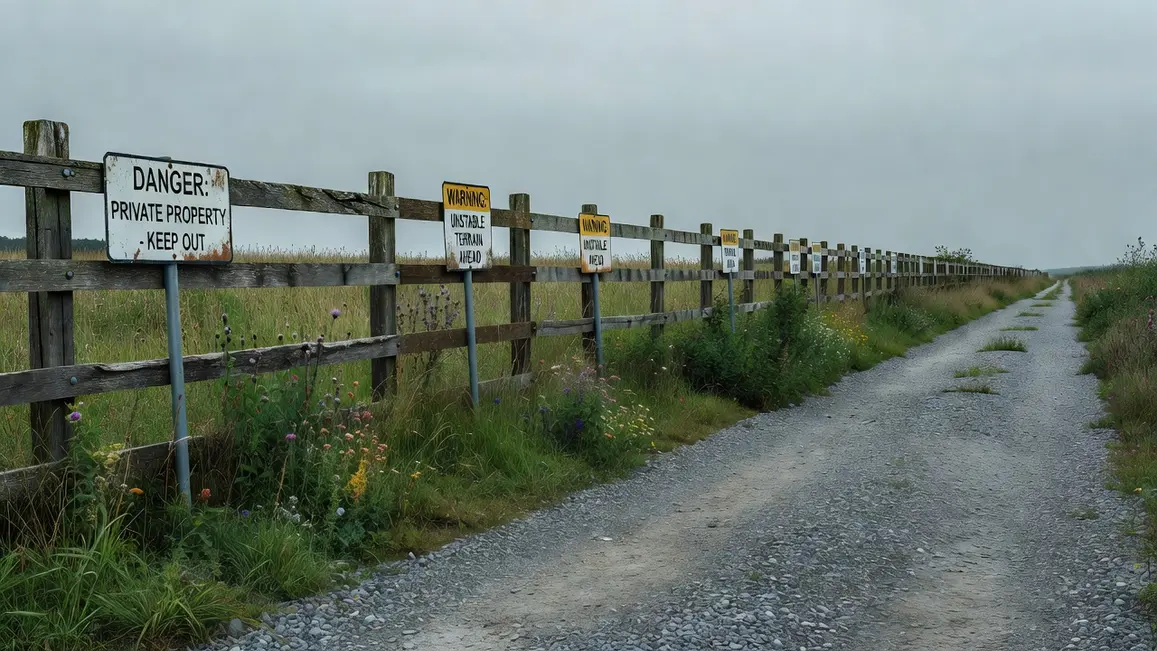
The Control: Install clear signage at entry points warning visitors of livestock and advising them to keep dogs on leads and maintain distance from animals; use physical barriers such as fencing or designated walkways to separate cattle from visitor routes; and provide educational materials or briefings at visitor centers about how to safely navigate areas with livestock.
These controls are non-negotiable because the Felbrigg Hall incident demonstrated that even managed estates can produce fatal outcomes when public footpaths intersect with grazing livestock without layered protections. Signage alone alerts users immediately upon entry, while physical barriers create a hard separation that prevents accidental close encounters. Educational materials address the behavioral root cause by teaching recognition of agitation signs, ensuring that awareness extends beyond infrastructure to human decision-making in real time.
Without these measures in place, the probability of trampling rises sharply in mixed-use environments. Implementing all three controls together forms a defense-in-depth approach that directly targets the conditions present at the Norfolk estate, making recurrence far less likely across similar sites in 2026.
Supervisor’s discussion guide
Q1: “Looking at our own equipment today, where is the biggest risk of inadequate separation between livestock areas and public routes?”
Q2: “How would we verify that all entry points have visible signage warning about livestock presence?”
Q3: “What educational materials could we add at access points to improve cattle trampling safety awareness among visitors?”
Q4: “If barriers are missing or damaged, what immediate steps must we take before allowing any further access?”
Action plan & inspection
- Inspect all entry points for clear livestock warning signage and repair or replace any that are missing or faded.
- Verify physical barriers such as fencing or designated walkways are intact and fully separate grazing areas from footpaths.
- Review and update educational materials at visitor centers to cover cattle behavior and safe navigation practices.
- Confirm that all staff can explain the controls for cattle trampling safety to any site visitors or contractors.
- Document the date and findings of this inspection in the site safety log before the next shift begins.
Key takeaways
Cattle trampling safety requires immediate and sustained attention to signage, physical separation, and visitor education. The Felbrigg Hall fatality proves that even one missing layer of control can lead to irreversible loss when public access overlaps with livestock.
Supervisors must treat these controls as mandatory daily checks rather than optional additions. Consistent application across all sites will reduce the chance of similar tragedies occurring in 2026 and beyond.
Source & Disclaimer: This toolbox talk is for educational purposes based on public report. Read Original Report