Meeting details
Topic: Fall Protection Toolbox Talk: Lessons from Florida Roofing Citations
Goal: This toolbox talk on fall protection toolbox talk will review the Orchids Builders LLC incidents at residential sites in Rockledge, Florida, and prevent similar accidents in 2026.
The incident: what happened?
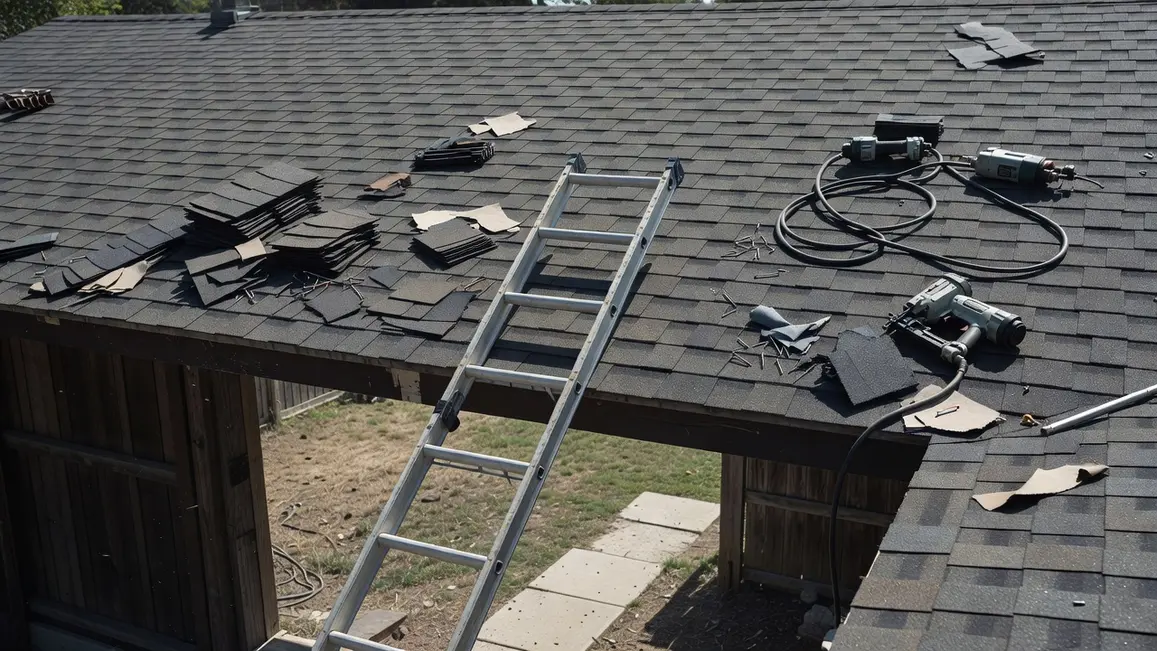
During a fall protection toolbox talk, supervisors must examine the details of two OSHA inspections at Orchids Builders LLC roofing projects in Rockledge, Florida. On January 21, 2026, workers installing roof sheathing faced a 10-foot fall hazard with no fall-protection system in place. On March 10, 2026, another worker installing metal hurricane clips encountered a 9-foot fall hazard under identical conditions. Additional violations included missing written fall-protection training records, lack of eye protection during nail-gun use, and extension ladders whose side rails failed to extend the required 36 inches above the roof edge. The company, inspected seven times since 2023 for fall-protection deficiencies, received two willful and four repeat citations with proposed penalties of $349,754.
These events underscore repeated failures to implement required controls on sloped residential roofs. The absence of continuous fall protection, inadequate ladder setup, and missing documentation directly contributed to the citations. The pattern of violations across multiple inspections highlights systemic gaps that a focused fall protection toolbox talk can help address before further incidents occur.
Core safety lesson
The Hazard: Unprotected fall exposures on sloped roofs combined with improper ladder extension and missing eye protection.
The Control: Mandate 100 percent continuous fall protection for work at or above 6 feet, ensure ladders extend at least 36 inches above the landing, and require ANSI-rated eye protection for all pneumatic nailing tasks.
OSHA standards require fall protection whenever workers are exposed to falls of 6 feet or greater on residential roofs. The cited company provided none, leaving crews exposed at 9 and 10 feet. This control is non-negotiable because even a single lapse can result in serious injury or fatality, and repeated violations demonstrate that verbal reminders alone are insufficient without enforced systems and documented training.
Ladder side rails must extend 36 inches above the roof edge to provide a secure handhold during transition. The inspections found this requirement ignored, increasing the risk of slips at the critical access point. Eye protection during nail-gun operations prevents high-velocity debris injuries, yet daily PPE checks were not performed. Together these controls form a layered defense that must be verified before every shift.
Supervisor’s discussion guide
Q1: “Looking at our own equipment today, where is the biggest risk of unprotected fall exposure on the current roof?”
Q2: “Are all extension ladders positioned so the side rails extend at least 36 inches above the edge, and how do we confirm this before climbing?”
Q3: “During this fall protection toolbox talk, what steps will we take to ensure written training records are available and current?”
Q4: “Which tasks on this job require ANSI-rated eye protection, and how will we verify compliance before starting nail-gun work?”
Action plan & inspection
- Verify that 100 percent fall-protection systems (guardrails, nets, or personal fall-arrest) are installed and inspected before any work begins above 6 feet.
- Confirm every extension ladder extends at least 36 inches above the roof edge and is secured against displacement.
- Check that ANSI-rated safety glasses or goggles are available and inspected daily for all pneumatic nailing operations.
- Review and confirm written fall-protection training records for every crew member on site.
- Document the pre-task hazard assessment and retain a copy with the daily job file for OSHA inspection readiness.
Key takeaways
Continuous fall protection, proper ladder extension, and consistent eye protection are not optional on residential roofing projects. The Orchids Builders LLC citations demonstrate that repeated disregard leads to substantial penalties and preventable exposure. Supervisors must treat each of these controls as mandatory and verify them before work starts.
Conducting a thorough fall protection toolbox talk at the start of every shift reinforces accountability and closes gaps before they become violations. When crews understand the specific hazards, required controls, and inspection steps, the likelihood of another citation or injury drops sharply. Make these checks routine and document every verification.
Source & Disclaimer: This toolbox talk is for educational purposes based on public report. Read Original Report