meeting details
Topic: Catastrophic Structural Failure Prevention & Workplace Heat Illness Prevention Readiness
Goal: This toolbox talk on workplace heat illness prevention will review the fatal structural collapse incident in Montreal-Nord and outline the mandatory controls necessary to prevent similar catastrophic accidents on our sites.
the incident: what happened?
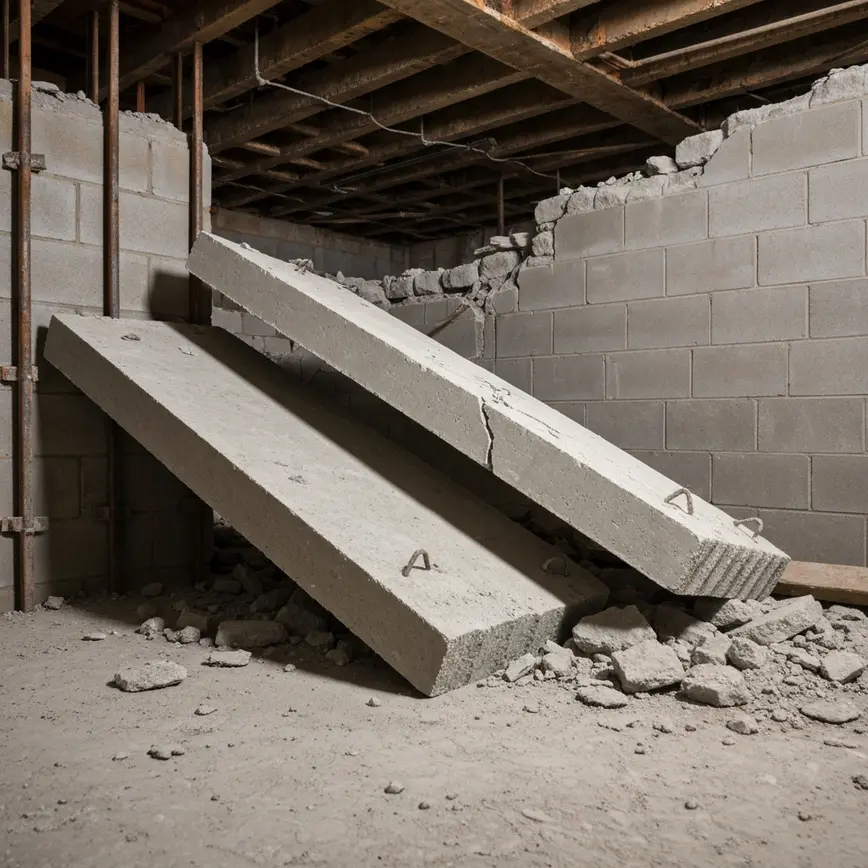
On September 23, 2023, a fatal structural collapse occurred at a renovation site in Montreal-Nord. Workers were performing basement demolition when they removed load-bearing concrete block walls that supported precast hollow-core concrete slabs. Crucially, they failed to install any temporary shoring before removing these critical structural elements. The resulting collapse killed one worker and seriously injured two others. While we focus today on structural integrity, we must also maintain vigilance regarding seasonal hazards, especially as we finalize our comprehensive workplace heat illness prevention plan for the coming months.
The subsequent investigation by CNESST concluded that the incident was entirely preventable, citing severe deficiencies in planning, engineering oversight, and worker competency. The crew, recruited by an unregistered contractor (“Monsieur A”), lacked mandatory construction competency cards, specific demolition training, and even basic personal protective equipment (PPE) like helmets, gloves, and safety boots. This incident highlights the extreme risk created when structural work proceeds without mandatory engineering input, regulatory compliance, or defined legal responsibilities between the owner and the contractor.
core safety lesson
The Hazard: Uncontrolled Structural Failure (Demolition of load-bearing elements, especially pre-stressed concrete, without support.)
The Control: Engineered Demolition Plan & Shoring.
Structural demolition is not a task for informal labor or unsupervised crews. The removal of any element supporting a floor, roof, or wall system—especially complex systems like precast hollow-core concrete slabs—must be treated as a high-risk, engineered activity. This means a qualified professional engineer must review the existing structure, design the demolition sequence, and specify the exact placement, capacity, and certification of temporary shoring.
Temporary shoring is the non-negotiable life support system for the structure during demolition. It must be installed and certified to safely transfer the load *before* the load-bearing elements are removed. Failure to follow this critical sequence is a direct violation of safety regulations and constitutes gross negligence. We must apply the same rigor to structural planning as we do to our proactive workplace heat illness prevention protocols, ensuring that documentation, training, and supervision are always in place.
Furthermore, the incident exposed a complete failure in competency verification. Every worker performing high-risk tasks must possess mandatory construction competency cards and specific training relevant to the work (e.g., demolition safety). If we cannot verify the training and competency of a worker, they cannot be permitted to perform structural work. The legal obligation rests on the employer (and the maître d’œuvre) to enforce this standard and ensure a formal safety management system is active, including continuous site supervision and written safe work procedures.
supervisor’s discussion guide
Q1: “Looking at our current structural work, where is the biggest risk of uncontrolled structural failure, and who is responsible for verifying the shoring design?”
Q2: How do we verify that every worker on this site possesses the mandatory competency cards and specific training required for their assigned high-risk tasks?
Q3: What specific measures are we taking right now to ensure effective workplace heat illness prevention on our current job site, even before the peak summer season hits?
Q4: If a subcontractor shows up without proper mandatory PPE (helmets, gloves, boots), what is the immediate, non-negotiable stop-work procedure, and who is notified?
action plan & inspection
Immediately following this toolbox talk, supervisors must verify the following five items:
- All ongoing structural demolition or modification work has a signed, engineered demolition plan on site, and temporary shoring installation is complete and certified before any load-bearing element is removed.
- Conduct a spot audit of worker files to confirm all personnel performing high-risk tasks possess mandatory construction competency cards and specific training documentation.
- Review and post the site-specific workplace heat illness prevention plan, ensuring water, rest, and shade protocols are clearly defined and accessible to all workers.
- Perform a 100% PPE compliance check (helmets, gloves, safety boots) for all personnel entering the work zone.
- Confirm that clear lines of authority and responsibility for OHS compliance are defined, and the competent foreperson is actively supervising all structural activities.
key takeaways
The Montreal incident is a stark reminder that cutting corners on structural integrity costs lives. Deficient planning, lack of engineering oversight, and using untrained labor for high-risk work are not cost-saving measures—they are criminal liabilities. Structural demolition requires professional planning, professional execution, and continuous, competent supervision. There is no acceptable scenario where load-bearing walls are removed without certified shoring in place.
Our safety culture must be comprehensive. It must address catastrophic immediate risks, like structural collapse, while simultaneously managing ongoing health risks. Just as we rigorously plan for demolition, we must proactively implement our workplace heat illness prevention strategies. Safety is a system; failure in any component—be it training, planning, or supervision—exposes the entire crew to unacceptable danger. Stay alert, follow the engineered plan, and enforce compliance 100% of the time.
Source: Read Original Report