Posted inSafety Toolbox Talk
Safety Toolbox Talk: Coupang Chairman Kim Bom-seok Under Probe for Alleged Cover-Up of Industrial Accident
meeting details
Topic: Integrity in Safety Reporting and Prevention of Occupational Overwork
Goal: To review the fatal incident at the Coupang Chilgok logistics center and prevent similar tragedies by ensuring transparent reporting and strict adherence to labor limits.
the incident: what happened?
Script: “Listen up everyone. We are reviewing a serious report regarding a legal investigation into Coupang Chairman Kim Bom-seok and other top executives. This case centers on the 2020 death of Jang Deok-jun, a worker at the Chilgok logistics center in Daegu. While the death itself was a tragedy, the subsequent investigation by the Korea Courier Workers’ Union (KCWU) and the Seoul Metropolitan Police Agency has uncovered allegations of a systemic cover-up. The company is accused of professional negligence and intentionally obstructing the investigation to hide the true cause of death: extreme overwork.”
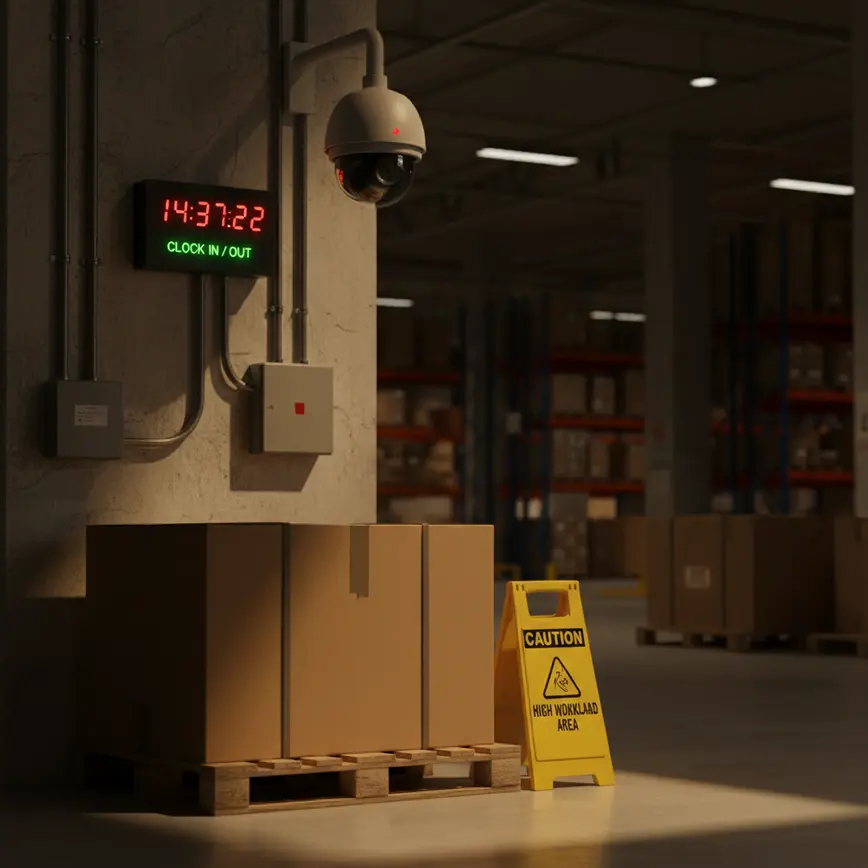
“The details of this cover-up are a warning to every supervisor here. According to police reports and whistleblower documents from a former Chief Privacy Officer, the company allegedly manipulated bus entry logs and edited overtime records to hide excessive working hours. Most disturbingly, it is reported that they selectively edited CCTV footage, providing investigators with only six out of eight available recordings. This wasn’t just a safety failure; it was a failure of corporate integrity. When we hide data, we aren’t just protecting a brand—we are actively preventing the lessons that could save the next person’s life. We are here today to ensure that our site never prioritizes ‘looking safe’ over ‘being safe’.”
core safety lesson
The technical failure in this incident is two-fold: the physical hazard of Occupational Overwork (Karoshi) and the administrative hazard of a Lack of Incident Transparency. Overwork leads to cardiovascular strain and mental fatigue, which significantly increases the risk of both sudden health failure and workplace accidents. When a culture prioritizes throughput over worker recovery, the safety of the individual is sacrificed for the speed of the logistics chain.
The Hazard: Occupational Overwork and Ergonomic Strain. In high-volume fulfillment centers, the pressure to meet quotas often leads to workers bypassing mandatory rest periods. This results in cumulative trauma to the body and heart.
The Control: We must utilize automated labor management systems that act as a “hard stop.” These systems should trigger mandatory lock-outs or alerts when a worker approaches safe hourly limits. Furthermore, workload assessments must be conducted regularly to ensure that the physical toll of manual labor is mitigated by mechanical aids like vacuum lifters and height-adjustable conveyors.
The most critical lesson here is that safety documentation is a legal and ethical contract. Tampering with evidence—such as CCTV footage or commuter logs—is a criminal act that carries severe consequences for leadership. A “No-Blame” reporting policy is non-negotiable. We must ensure that our safety data is archived automatically and remains accessible to third-party regulators. Transparency is the only way to identify the root causes of fatigue and prevent a recurrence of the conditions that led to Jang Deok-jun’s death.
supervisor’s discussion guide
Please use the following questions to engage your crew in a serious discussion regarding our current environment:
Q1: “Looking at our current shift patterns, do you feel there are times when the workload makes it impossible to take your full allotted rest breaks?”
Q2: “If you were feeling physically overwhelmed or experiencing chest pain due to exhaustion, do you feel comfortable reporting that to me immediately without fear of losing your shift?”
Q3: “We rely on our logs and cameras for safety audits. If you saw a discrepancy in how hours were being recorded, would you know how to report it to the internal audit team?”
Q4: “What is one mechanical aid or tool we could implement today that would reduce the physical strain of your specific task?”
action plan & inspection
The following items must be inspected and verified by the end of today’s shift:
- Log Verification: Cross-reference today’s manual sign-in sheets with digital badge-in data to ensure 100% accuracy in hours worked.
- Ergonomic Tool Audit: Inspect all conveyors and lifting aids; tag out any equipment that is malfunctioning and forcing workers to use manual strength.
- Break Compliance: Supervisors must walk the floor during scheduled break times to ensure no worker is “working through” their rest period to catch up on quotas.
- Whistleblower Awareness: Ensure the anonymous safety reporting hotline number is clearly posted in the breakroom and near the main exit.
- Fatigue Monitoring: Conduct a “tailgate check” halfway through the shift to identify any workers showing signs of extreme fatigue or heat stress.
Source: Read Original Report