Meeting details
Topic: Chemical Plant Fire Safety: Lessons from the TotalEnergies/Cray Valley Incident
Goal: This toolbox talk on chemical plant fire safety will review the TotalEnergies/Cray Valley Chemical Plant Fire and prevent similar accidents in 2026.
The incident: what happened?
A ground-level fire broke out at a Tier II chemical facility in Grand Junction, Colorado, that processes hydrocarbon-based resins for rubber, electronics, and adhesives. The event underscores the critical importance of chemical plant fire safety when handling flammable materials. Firefighters responded defensively by applying large volumes of water to suppress the fire while simultaneously cooling overhead pressurized pipes containing reactive materials. Contaminated runoff was successfully contained on-site in retention ponds, preventing any release into the nearby river. One firefighter was treated for smoke inhalation, and no other injuries occurred. The fire was reported to the National Response Center, and the cause remains under investigation.
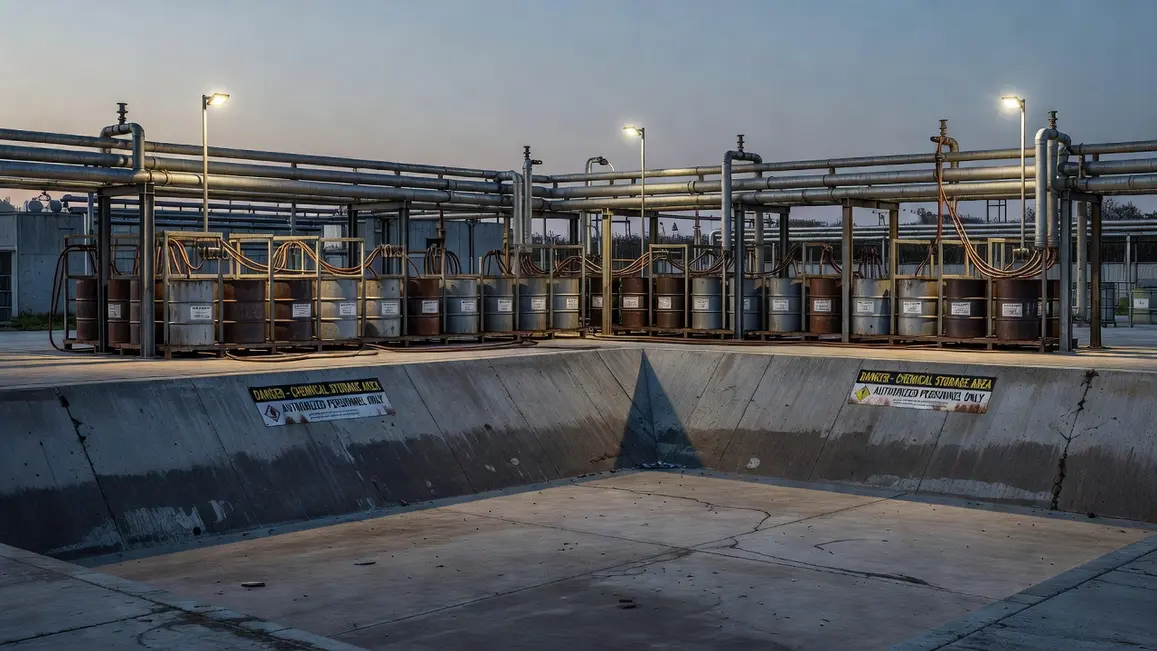
The incident involved flammable hydrocarbon liquids stored in 55-gallon drums and pressurized piping above the fire zone. These conditions required rapid defensive tactics to protect both personnel and the environment. The successful containment of runoff highlighted the value of pre-planned secondary containment systems sized for anticipated fire-suppression volumes.
Core safety lesson
The Hazard: Pressurized piping containing reactive materials above the fire zone combined with flammable hydrocarbon liquids stored in 55-gallon drums.
The Control: Install automatic water-spray or deluge systems on overhead pipe racks, maintain clear access for manual cooling streams, and ensure drums are stored in designated flammable-liquid cabinets or diked areas with adequate ventilation and grounding.
These controls are non-negotiable because a ground-level fire can rapidly threaten overhead piping, leading to potential releases of reactive materials that intensify the incident. Without automatic or manual cooling capability, pressure buildup in the pipes could result in catastrophic failure. Similarly, improper drum storage increases the risk of static ignition or spill involvement in any fire, turning a manageable event into a major emergency.
Environmental controls such as retention ponds must also be inspected regularly because fire-water runoff can carry contaminants that threaten nearby waterways if not contained. The Grand Junction response succeeded only because these systems were in place and responders prioritized containment alongside suppression. Every chemical plant must treat these layered protections as essential to chemical plant fire safety.
Supervisor’s discussion guide
Q1: “Looking at our own equipment today, where is the biggest risk of pressurized piping exposure during a ground-level fire?”
Q2: “How do we currently verify that our flammable-liquid drum storage meets diking, ventilation, and grounding requirements?”
Q3: “Are our on-site retention ponds sized and maintained to handle the volume of water used in a defensive fire attack?”
Q4: “What specific steps would improve our chemical plant fire safety procedures based on the cooling and containment tactics used in Grand Junction?”
Action plan & inspection
- Inspect all 55-gallon drum storage areas for proper flammable-liquid cabinets, diking, ventilation, and grounding.
- Verify automatic water-spray or deluge systems on overhead pipe racks are operational and unobstructed.
- Confirm clear access routes remain available for manual cooling streams to pressurized piping.
- Measure and document retention pond capacity against anticipated fire-suppression water volumes.
- Review and test secondary-containment integrity around all reactive-material piping and drum staging areas.
Key takeaways
Chemical plant fire safety depends on layered controls that address both immediate fire threats and secondary environmental hazards. The Grand Junction incident demonstrated that defensive water application, overhead pipe cooling, and on-site runoff containment can limit damage when these systems are maintained and ready.
Supervisors must ensure daily verification of drum storage, deluge systems, and containment capacity. Consistent application of these measures protects workers, the facility, and the surrounding community from the consequences of hydrocarbon fires.
Source & Disclaimer: This toolbox talk is for educational purposes based on public report. Read Original Report