Meeting details
Topic: Machine Shop Falling Steel Hazards
Goal: This toolbox talk on machine shop falling steel will review the worker fatality at Logan Machine Company in Akron, Ohio, and prevent similar accidents in 2026.
Date: January 19, 2026
Duration: 10 minutes
The incident: what happened?
On January 6, 2026, a tragic incident involving machine shop falling steel occurred at Logan Machine Company, a machine shop in Akron, Ohio. A 49-year-old worker named Mykl Kofahl was performing a welding job when a large piece of steel fell and struck him, resulting in his death at the scene. The Summit County Medical Examiner’s Office, led by chief investigator Gary Guenther, confirmed the details, and both the Occupational Safety and Health Administration (OSHA) and the Medical Examiner’s Office are conducting investigations into the event.
This was not the first such tragedy at the facility; a similar fatality happened in 2015 when a 60-year-old worker was crushed by thousands-of-pounds of steel against a workbench. The company has stated that safety is their top priority, but the recurrence highlights critical gaps in preventing machine shop falling steel hazards during welding and material handling operations.
Core safety lesson
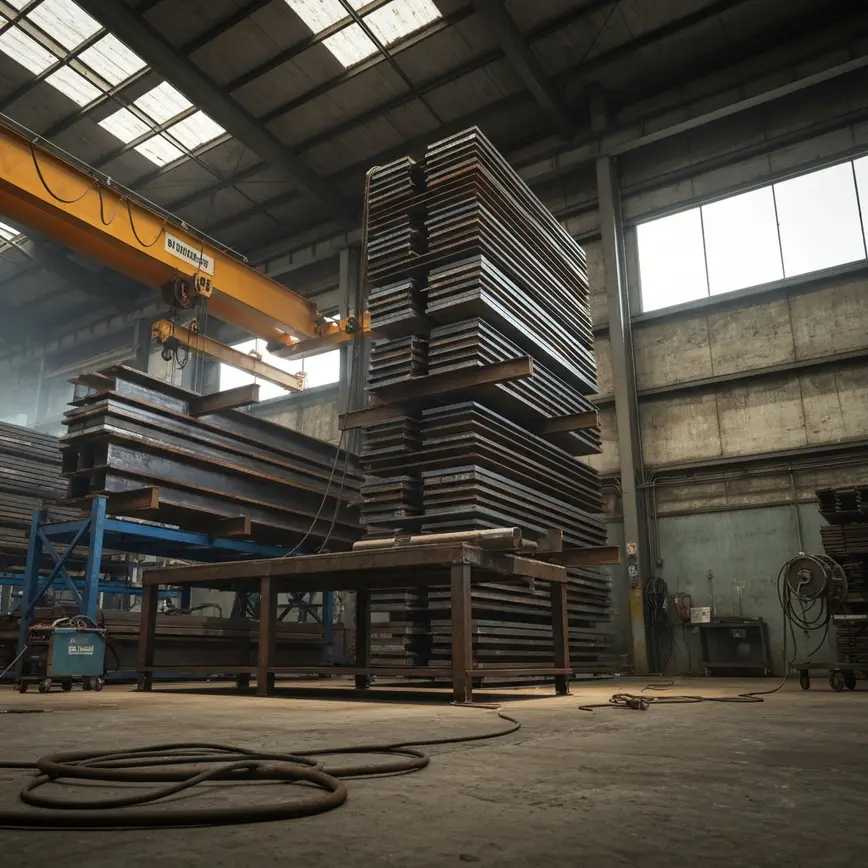
The technical failure in this machine shop falling steel incident stemmed from unsecured heavy materials that were not properly stabilized, exposing the worker directly under stacked or suspended steel without adequate protection. This led to a catastrophic struck-by event during routine welding activities.
The Hazard: Unsecured heavy materials, such as large steel pieces in machine shops, pose a severe risk of falling objects that can crush workers. Additional factors included inadequate overhead protection and a history of recurrent struck-by incidents, as seen in the 2015 fatality at the same site.
The Control: Implement OSHA 1910.176 protocols for material storage, using racks, chains, or straps to secure loads, along with stability checks before work. Install physical guarding like toeboards or screens per OSHA 1910.23 and 1910.28, and mandate job hazard analyses (JHA) with overhead cranes for lifts.
These controls are non-negotiable because machine shop falling steel can deliver lethal force instantaneously—thousands of pounds collapsing without warning. Pre-task assessments and audits break the cycle of recurrence, as evidenced by the prior 2015 incident. Skipping them assumes risks that no training or PPE can fully mitigate, turning everyday tasks into fatal traps. Supervisors must enforce them rigorously to protect lives in high-risk environments like welding areas.
Supervisor’s discussion guide
Engage your crew with these questions to drive home the lessons from this machine shop falling steel incident:
Q1: “Looking at our own equipment today, where is the biggest risk of machine shop falling steel?”
Q2: “What steps would you take to secure heavy steel before starting a welding job?”
Q3: “How can we ensure overhead protection in areas with stacked materials?”
Q4: “Based on the Logan Machine Company history, what signs of recurrent hazards should we watch for in our shop?”
Action plan & inspection
Immediately after this meeting, conduct these 5 checks to address machine shop falling steel risks:
- Inspect all stacked steel and materials for stability; secure with racks, chains, or straps per OSHA 1910.176.
- Verify overhead protection in welding and handling areas, installing toeboards or screens if missing.
- Review and update job hazard analyses (JHA) for all tasks involving heavy lifts or welding under materials.
- Audit storage areas for compliance, tagging any unstable loads for immediate correction.
- Confirm availability and training on overhead cranes or hoists for all heavy material movements.
Key takeaways
Never underestimate the deadly potential of machine shop falling steel—unsecured loads can collapse without warning, as tragically demonstrated at Logan Machine Company on January 6, 2026. Strict adherence to OSHA standards for material handling (1910.176), guarding (1910.23/1910.28), and hazard assessments is essential to prevent struck-by fatalities. History repeats when lessons are ignored, so make stability checks, proper securing, and exclusion zones routine.
Supervisors, lead by example: conduct JHAs before every shift, audit recurrent risks, and empower your crew to stop unsafe work. This toolbox talk reinforces that proactive controls save lives—commit to zero tolerance for shortcuts in 2026 and beyond.
Source & Disclaimer: This toolbox talk is for educational purposes based on public report. Read Original Report