meeting details
Topic: Roadway Safety and Severe Vehicle Accident Prevention
Goal: This toolbox talk on severe vehicle accident prevention will review the recent spike in holiday traffic fatalities and establish controls to prevent similar accidents involving our fleet and personnel.
the incident: what happened?
The recent New Year’s holiday period saw a tragic and preventable surge in traffic fatalities across Ohio. The Ohio State Highway Patrol (OSP) reported that nine people were killed in traffic accidents over the six-day holiday weekend. This figure represents a three-fold increase compared to the three fatalities reported during the same period last year. This alarming trend serves as a stark reminder that the risks associated with driving, especially during high-volume periods, require robust strategies for severe vehicle accident prevention.
These incidents were not isolated, with two of the reported fatalities occurring specifically in Summit and Wayne Counties. Safety analysts attribute these tragedies primarily to persistent hazards such as excessive speed, impaired driving (OVI), and the failure to use safety restraints. While these crashes occurred off-site, the underlying causes—lack of focus, poor decision-making, and disregard for basic traffic laws—are critical factors we must address when managing our own fleet operations and employee commutes. We must internalize the fact that these statistics represent preventable tragedies.
core safety lesson: mandatory safety restraint usage
The Hazard: Failure to Use Safety Restraints
The Control: Primary Enforcement Seatbelt Laws and Mandated 100% Usage for All Vehicle Occupants.
The most immediate and non-negotiable control we have against catastrophic injury in a crash is the proper use of safety restraints. Even the most comprehensive severe vehicle accident prevention plan cannot eliminate all collisions, but seatbelts are proven to drastically reduce the severity of injuries and fatalities. The OSP data confirms that many fatalities involve occupants who were not properly restrained.
Primary enforcement seatbelt laws exist because data shows that when restraints are used correctly, occupants remain secured within the vehicle’s protective shell, preventing ejection and impact with the vehicle interior or exterior objects. Ejection from a vehicle is almost always fatal. This control is mandatory for all employees in all company vehicles, regardless of the distance traveled or the perceived low risk of the route.
We must treat seatbelt usage as a fundamental requirement, not a suggestion, ensuring that every person operating or riding in a company vehicle is properly secured before the vehicle moves. Supervisors are responsible for ensuring this rule is enforced 100% of the time. This simple action is our last line of defense against life-altering injury and is crucial to effective severe vehicle accident prevention.
supervisor’s discussion guide
Use these questions to engage your crew and confirm understanding:
- Q1: Looking at our own equipment today, where is the biggest risk of excessive speed or reckless driving (e.g., specific routes, time pressures)?
- Q2: What steps do we take immediately before leaving the yard to ensure all passengers are properly utilizing safety restraints?
- Q3: Beyond defensive driving training, what specific operational procedures can we implement this week to bolster our overall strategy for severe vehicle accident prevention?
- Q4: If you suspect a colleague is driving impaired (on or off the clock), what is the proper reporting protocol according to company policy?
action plan & inspection
The following items must be checked immediately following this toolbox talk:
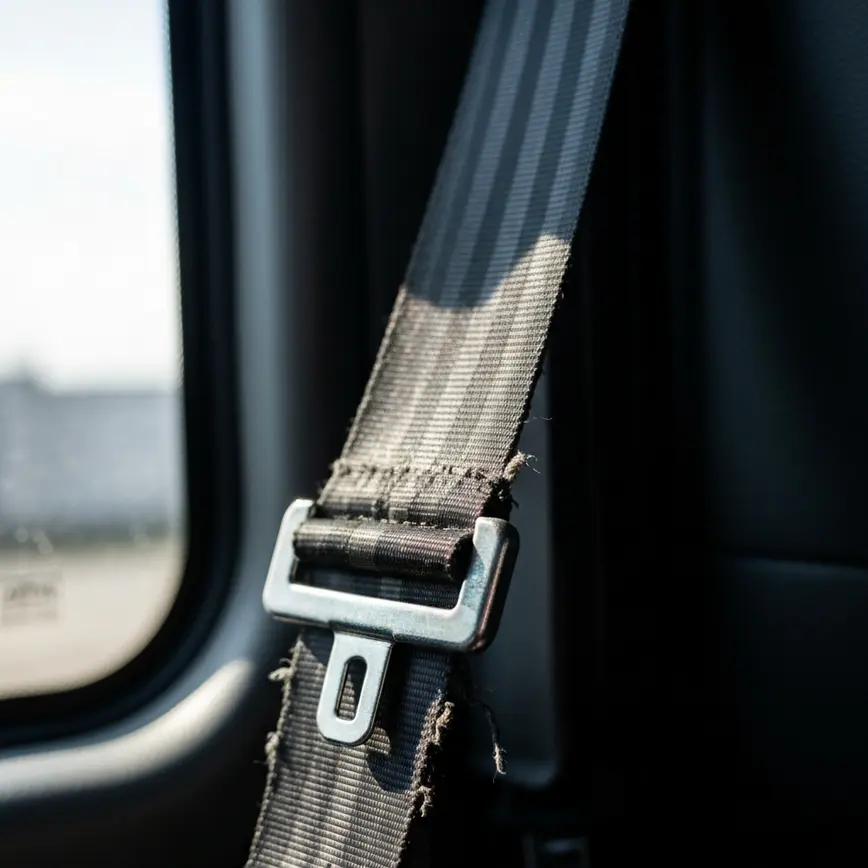
- Verify all vehicle safety restraints (seatbelts) are functional, free of cuts, and latch properly during pre-trip inspections.
- Review and confirm all drivers have current, valid licenses and have completed required defensive driving courses within the last 12 months.
- Conduct a spot check on vehicle speed monitoring devices (if equipped) or GPS logs to identify patterns of excessive speed or aggressive driving behavior.
- Ensure all vehicle emergency kits (flares, first aid, reflective vests) are fully stocked and accessible, especially for roadside breakdown situations.
- Distribute and review the company’s policy on impaired driving (OVI/DUI) and mandatory reporting requirements, stressing the zero-tolerance policy.
key takeaways
The recent spike in traffic fatalities—nine lives lost in six days—is a sobering reminder that complacency kills. We must recognize that the primary hazards—speed, impairment, and lack of restraints—are entirely controllable. Our commitment to severe vehicle accident prevention means adopting a zero-tolerance policy for reckless behavior, both on the job and when commuting. We cannot afford to become another statistic.
Safety is a 24/7 responsibility. We rely on every supervisor to enforce strict adherence to speed limits and mandatory seatbelt usage. By proactively controlling these known hazards, we protect our crew, our assets, and our community. Let’s ensure that every trip, no matter how short, is conducted with the utmost vigilance and professionalism, ensuring we are actively engaged in severe vehicle accident prevention every time we get behind the wheel.
Source: Read Original Report